.png)

Pablo
Picasso
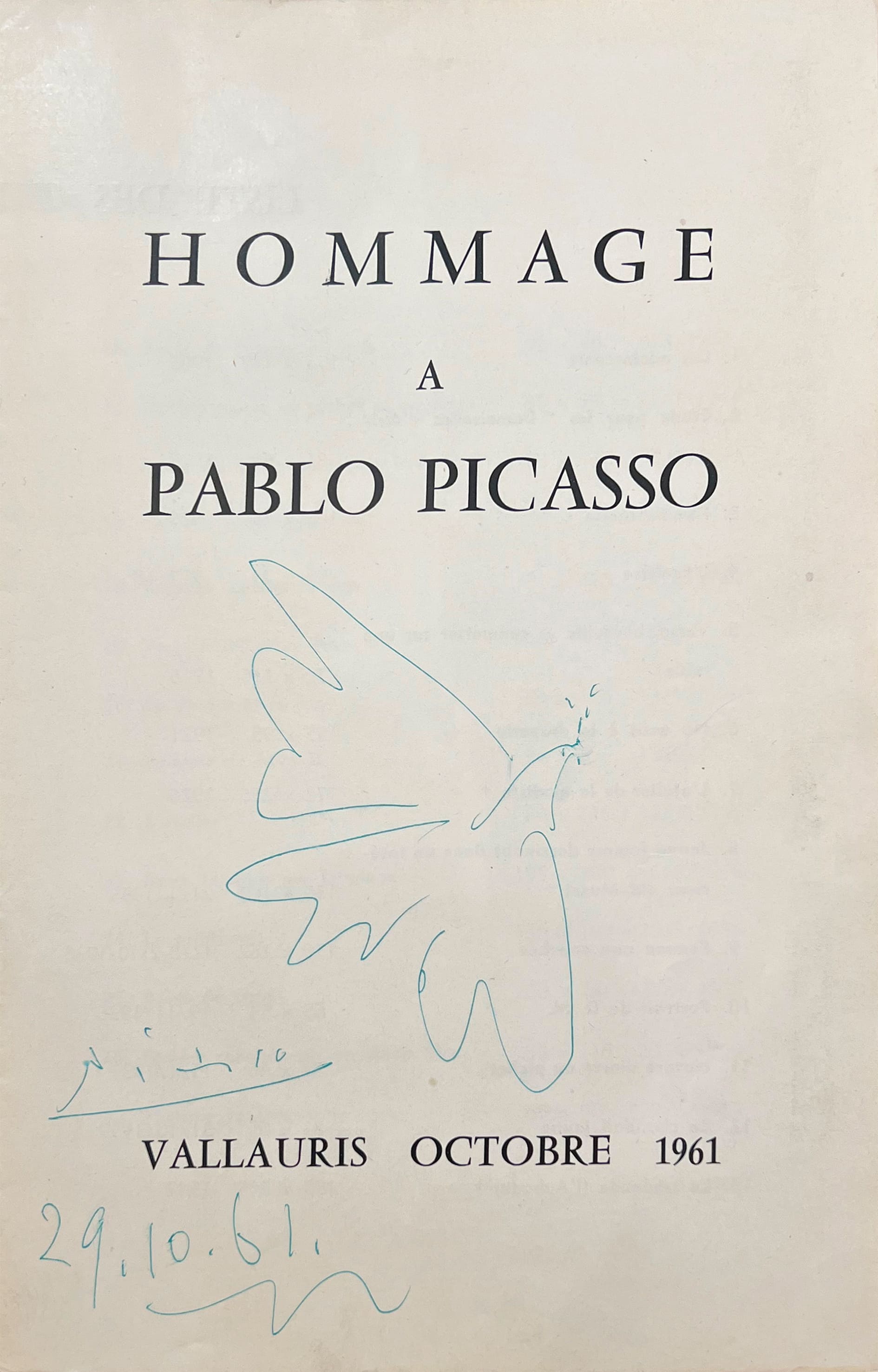
Pablo Picasso, a name that has resonated through the ages, an icon of creativity. From revolutionary cubism to poignant portraits, each brush stroke tells a unique story, a reflection of an era and a personal vision. How did this artist manage to transcend the boundaries of art? What mysteries are hidden behind its explosive palette? Whether you are a fan of art or a neophyte, let yourself be carried away by the magic of Picasso, and get to know the soul of an artist who redefined our perception of beauty.
Born in 1881 in Malaga, Pablo Picasso occupied a major place in the history of 20th century art, whose formal and conceptual structures he permanently transformed. Trained at a very young age in the Spanish academic environment, he established himself as a central player in the forefront of the avant-garde as soon as he settled in Paris. After the blue and pink periods, then the cubist break that began in 1907 with Georges Braque, Picasso laid the foundations of a language that definitively upset Western representation.
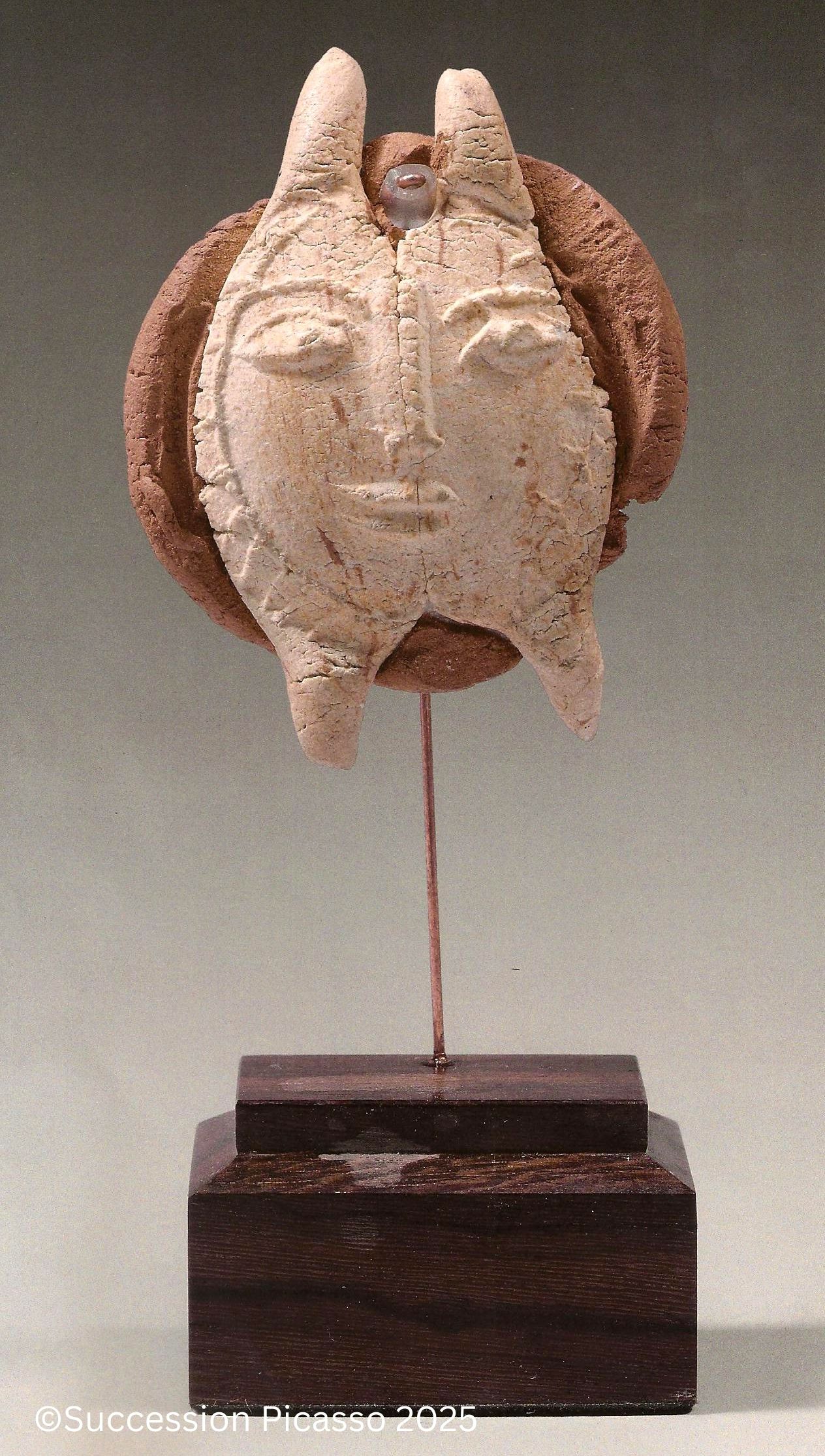
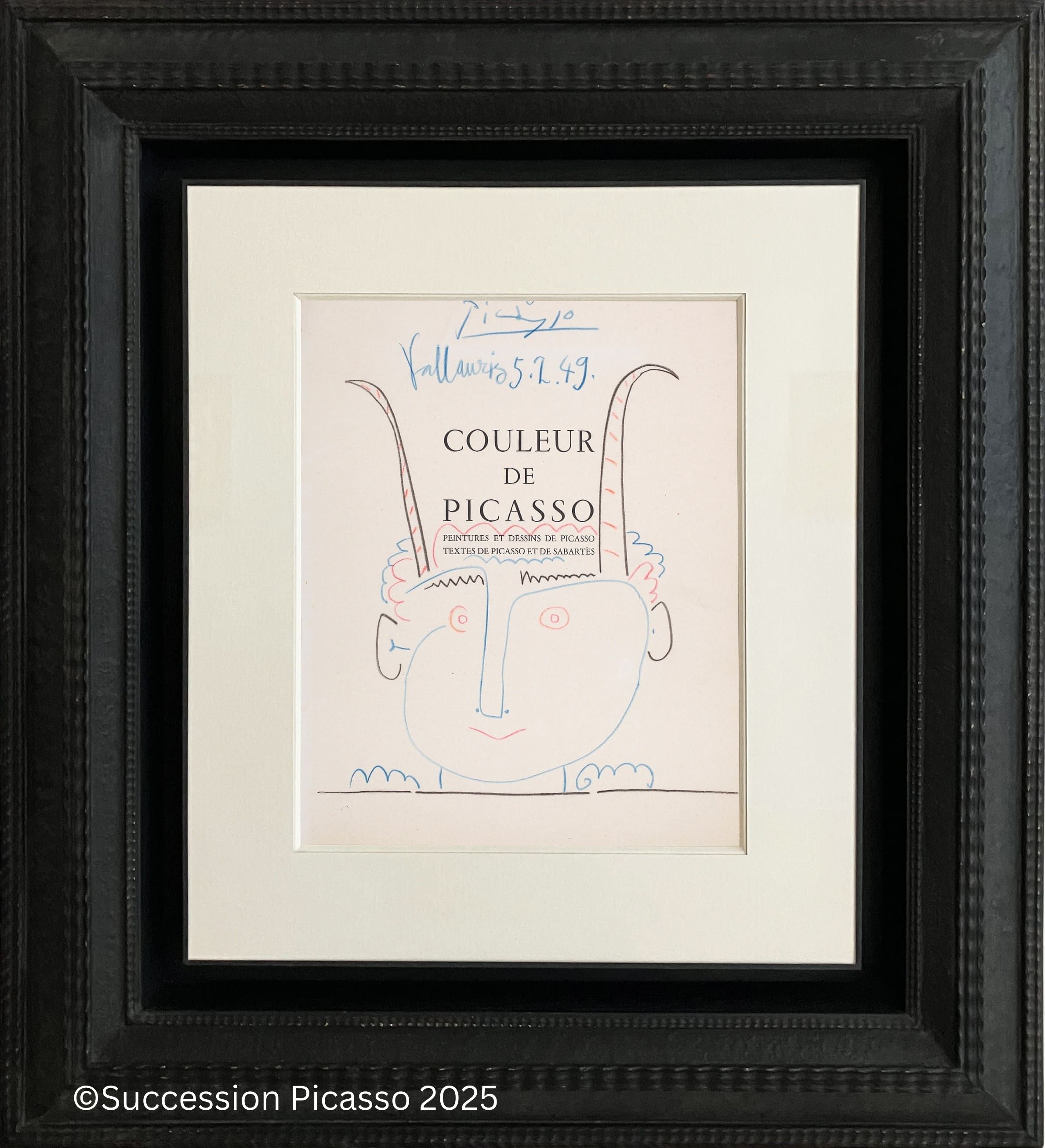
From the years 1920 and 1930, his work was characterized by total stylistic freedom. He refuses any fidelity to a single style and develops a polymorphic practice, exploring painting, drawing, sculpture and engraving, while interacting with the major themes of art history, from mythology to the classical figure. This ability to absorb and transform existing languages is becoming one of the essential drivers of its creation.
The 1950s were a key period in his artistic maturity. Picasso developed a more direct form of painting, marked by a simplification of forms, an affirmation of gesture and great graphic freedom. He then repeatedly revisited the great masters of the past, in particular Velázquez, Delacroix or Manet, not in a logic of quotation, but as a field of formal experimentation. These series reflect a renewed relationship with painting, where variation, repetition and deformation become tools of creation.
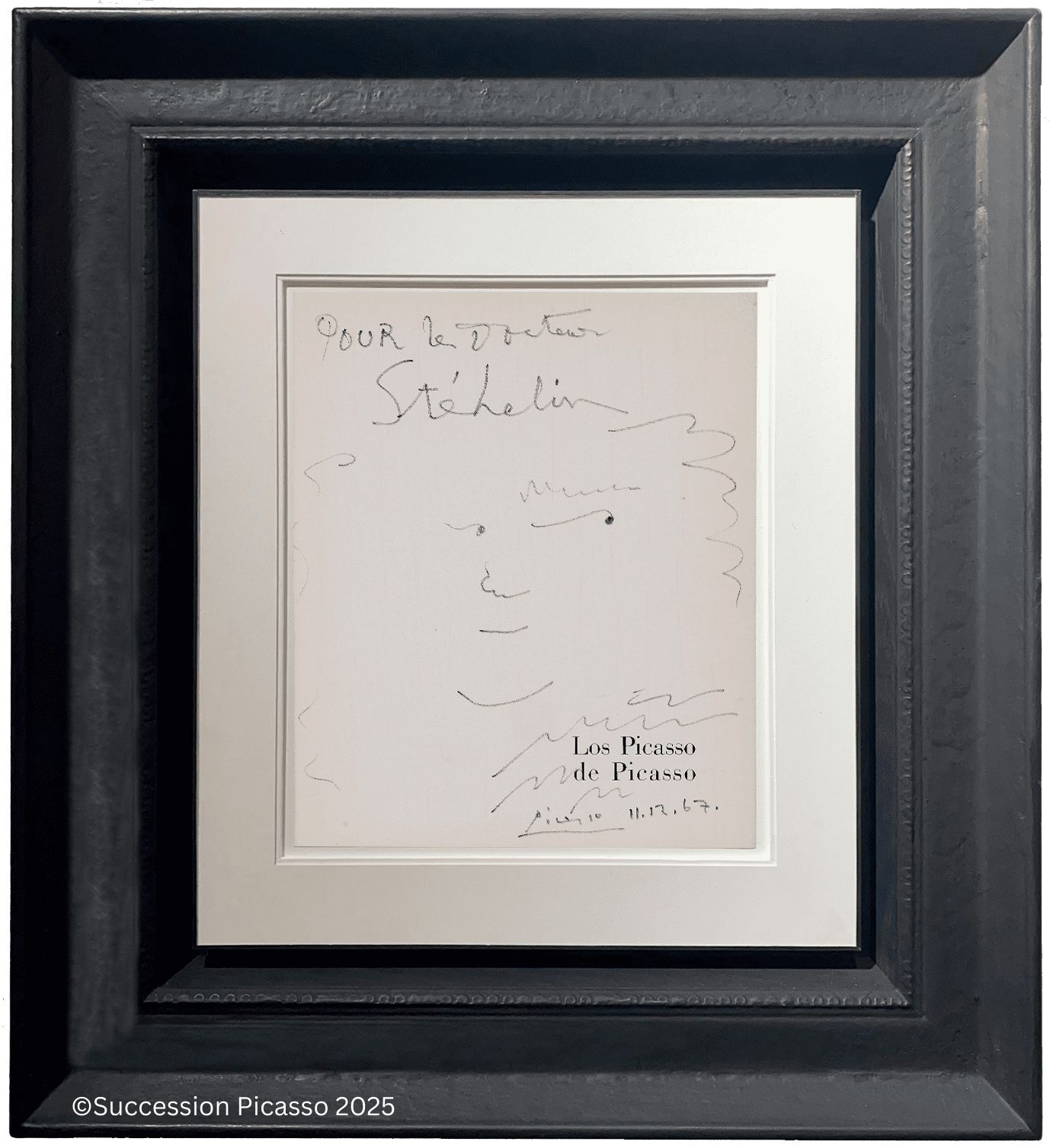
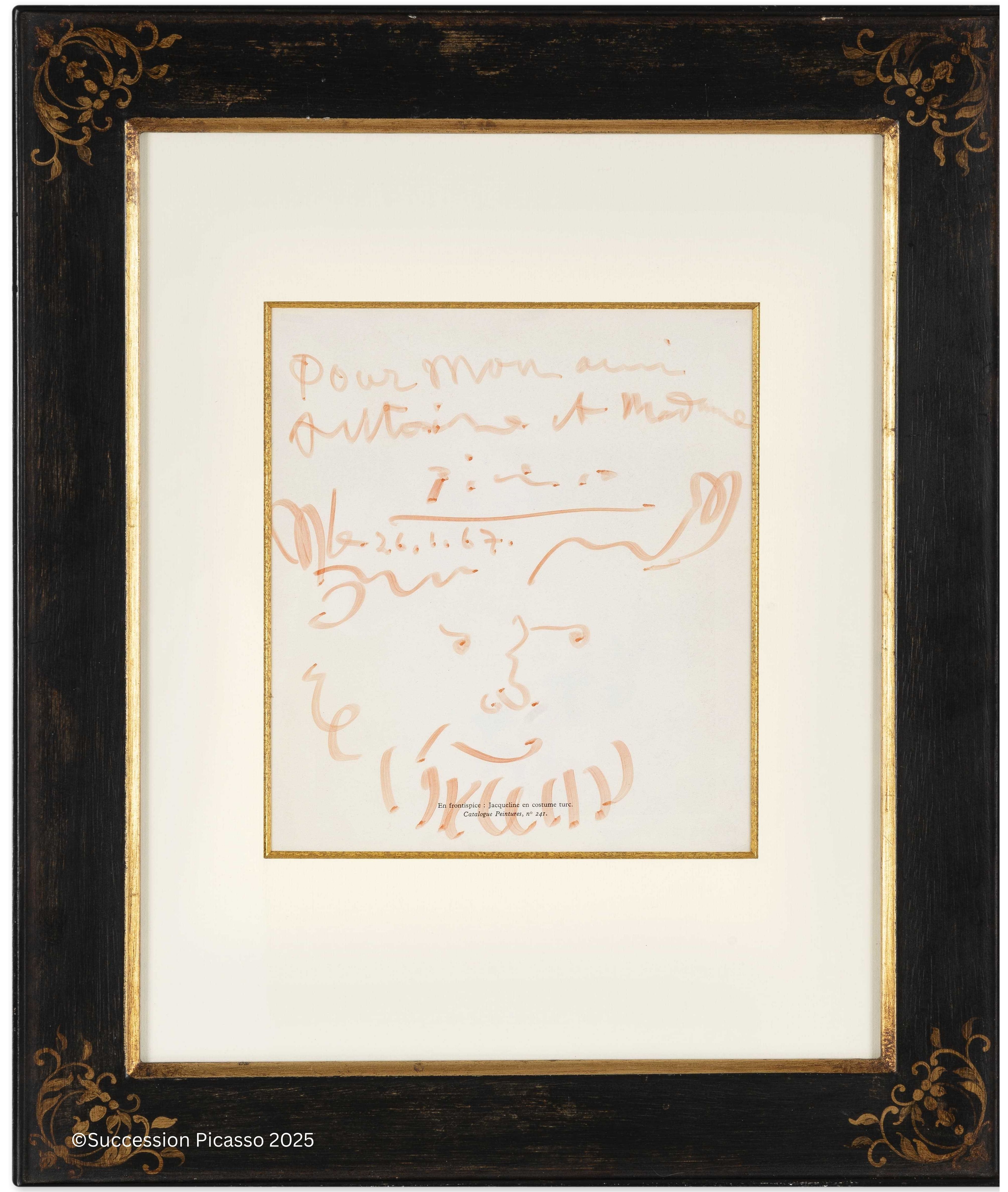
During this period, the human figure remained central, treated with increased expressive intensity. Drawing plays a decisive role in his process, revealing an economy of means and a power of line that reflect an absolute mastery of the medium. Picasso then affirms a painting freed from any theoretical constraints, guided by the energy of gesture and creative urgency.
Until the end of his life, Picasso maintained an artistic activity of exceptional intensity. “I spent all my life knowing how to draw like a child”, he will say. He died in 1973, and the National Picasso Paris Museum opened in 1985 to exhibit his works. His work, preserved in the largest international institutional collections, constitutes a fundamental reference for understanding the evolution of artistic languages of the 20th century and remains an essential reference of modernity.