.png)

AB Fine Art
Your partner in expertise and sale of works of art
.png)
Where to get a free appraisal of a sculpture or painting?
You may be looking for the perfect place to have your sculpture or painting appraised for free. At AB Fine Art, located in the heart of Paris, we offer a free consultation where we can discuss the work's history, its market potential, and its evolution over time. We are available to answer any questions you may have regarding the value of your artwork and how it can be showcased. We are committed to providing you with a realistic appraisal based on objective criteria. This initial meeting is a real opportunity to discover how you can enhance the value of your artwork, whether you want to sell it, insure it, or simply determine its market value.
Where to go to sell a painting or sculpture?
Once you have an idea of the value of your work, you may wonder where to sell a painting or how to sell a sculpture. At AB Fine Art, we offer a complete art sales service, collaborating with partner auctioneers as well as a network of passionate collectors and renowned art galleries. We assist you throughout the sales process, helping you determine the ideal time to sell, connecting you with potential buyers, and providing personalized support throughout the transaction. Thanks to our trusted relationships with collectors and investors, we ensure that your work finds the right buyer at a fair price.
Why choose Agnès Aittouares from the AB Fine Art appraisal firm?
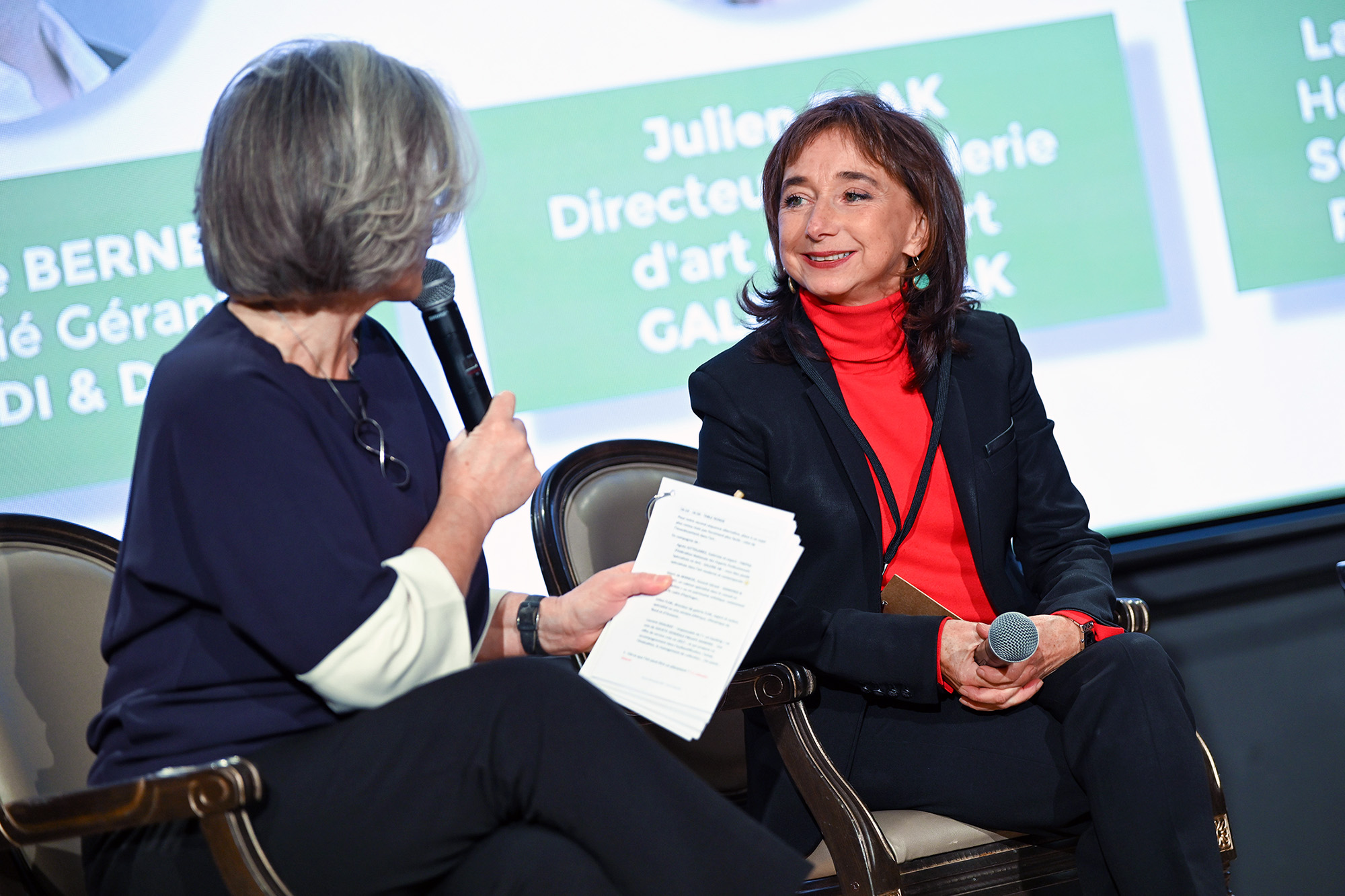
Choosing AB Fine Art means opting for a quality appraisal service, carried out by a recognized expert in the art field. Agnès Aittouares, a historian at the École du Louvre and a specialist of the FNEPSA (French National Federation of Fine Art Artists), brings recognized expertise to each work we handle. Her experience and skills as an art expert allow her to analyze each piece, determine its authenticity, and provide you with accurate estimates based on rigorous criteria. With over 30 years of experience, Agnès Aittouares has developed a network of influential contacts in the art world. Her expertise covers a wide range of works: from old master paintings to contemporary drawings, from classical sculptures to modern pieces. This expertise allows AB Fine Art to offer a comprehensive and tailor-made service, whether for the appraisal, sale, or exhibition of your works.
“It's important to enjoy the purchasing process without losing sight of the concept of investment. It's best to seek professional guidance to avoid making poor judgments.”
Agnès Aittouares, Director of Galerie AB, Laurence Boccara, Les Echos
You may be looking for the perfect place to have your sculpture or painting appraised for free. At AB Fine Art, located in the heart of Paris, we offer a free consultation where we can discuss the work's history, its market potential, and its evolution over time. We are available to answer any questions you may have regarding the value of your artwork and how it can be showcased. We are committed to providing you with a realistic appraisal based on objective criteria. This initial meeting is a real opportunity to discover how you can enhance the value of your artwork, whether you want to sell it, insure it, or simply determine its market value.
Where to go to sell a painting or sculpture?
Once you have an idea of the value of your work, you may wonder where to sell a painting or how to sell a sculpture. At AB Fine Art, we offer a complete art sales service, collaborating with partner auctioneers as well as a network of passionate collectors and renowned art galleries. We assist you throughout the sales process, helping you determine the ideal time to sell, connecting you with potential buyers, and providing personalized support throughout the transaction. Thanks to our trusted relationships with collectors and investors, we ensure that your work finds the right buyer at a fair price.
Why choose Agnès Aittouares from the AB Fine Art appraisal firm?
Choosing AB Fine Art means opting for a quality appraisal service, carried out by a recognized expert in the art field. Agnès Aittouares, a historian at the École du Louvre and a specialist of the FNEPSA (French National Federation of Fine Art Artists), brings recognized expertise to each work we handle. Her experience and skills as an art expert allow her to analyze each piece, determine its authenticity, and provide you with accurate estimates based on rigorous criteria. With over 30 years of experience, Agnès Aittouares has developed a network of influential contacts in the art world. Her expertise covers a wide range of works: from old master paintings to contemporary drawings, from classical sculptures to modern pieces. This expertise allows AB Fine Art to offer a comprehensive and tailor-made service, whether for the appraisal, sale, or exhibition of your works.
“It's important to enjoy the purchasing process without losing sight of the concept of investment. It's best to seek professional guidance to avoid making poor judgments.”
Agnès Aittouares, Director of Galerie AB, Laurence Boccara, Les Echos
CONTACT
Tel: +33 (0) 1 45 23 41 16
Email: galerieab@gmail.com
Address: Galerie AB, 5 rue Jacques Callot, 75006 Paris, France
Tel: +33 (0) 1 45 23 41 16
Email: galerieab@gmail.com
Address: Galerie AB, 5 rue Jacques Callot, 75006 Paris, France



Copyright © 1989-2025 AB Gallery - Agnes Aittouares