5 rue Jacquescallot-Paris VI
Exhibition from May 28 to June 20, 2026
Opening: Thursday, May 28 from 6 p.m.
Email: galerieab@gmail.com
Tel: 01 45 23 41 16
.png)


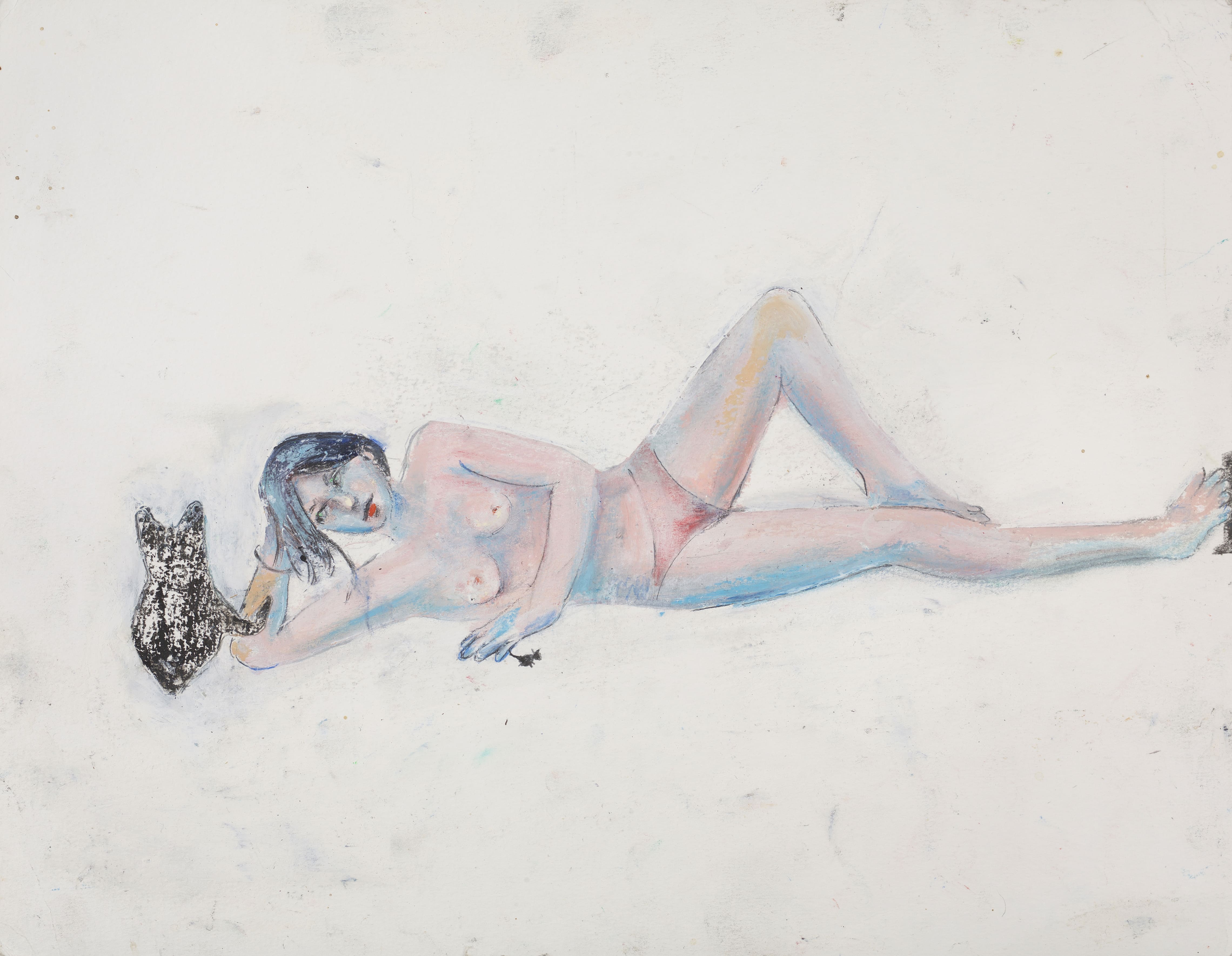
From May 28 to June 20, Galerie AB is presenting a set of gouaches, pastels and drawings by Martial Raysse. Through forty recent works, the exhibition reveals a little-known side of the artist, charged with a sensitive and intimate dimension. At Martial Raysse, drawing is never secondary. It is a mode of communication, a poetic writing that touches the intimate and the unconscious. Freed from any preparatory function, it becomes an autonomous space. Raysse develops a universe where mythology, carnival, the Old Testament flood and the image of women constitute a vocabulary that confronts us with the sources of our emotional burdens: joy, fear, fear, violence and love.
“When we enter Martial's work we do not come out unscathed, a transformation has taken place...”
Although his first works contributed to pop aesthetics and contemporary visual culture, Martial Raysse began a decisive turning point in the 1970s. He turned away from consumerist imagery to reinvest the great tradition of Western painting. This return is neither nostalgic nor academic. On the contrary, it is an attempt to reactivate, in a fully contemporary language, the fundamental questions that have crossed the history of art since the Renaissance: the representation of the body, light, the sacred and the spiritual presence of the image.
DRAWING AT THE CENTER OF MARTIAL RAYSSE'S PRACTICE
Freed from any preparatory function, drawing becomes an autonomous space for plastic meditation. Raysse developed a remarkable economy of means, where the precision of the line interacts with an almost contemplative inner dimension. From 1973, he retired from the artistic scene, and moved to the countryside to learn to watch again. He develops a daily practice of drawing from nature, observing landscapes, figures and familiar objects. This period marked a decisive shift towards a more internal search and towards a reappropriation of ancient techniques. The drawing then becomes the place for artistic reconstruction. Martial Raysse studies ancient masters, from the Italian Renaissance to European classical traditions, convinced that painting cannot exist without the prior architecture of the line. For him, color only makes sense if it is based on drawing. This position is rare in the current artistic context, dominated by conceptual practices and the dematerialization of the work.
MARTIAL RAYSSE DIALOGUE WITH THE ANCIENT MASTERS
His work is part of a profound dialogue with the Old Masters, in particular Piero della Francesca and Giuseppe Maria Crespi, whose rigor of construction, the clarity of the compositions and the silent power of the figures he admires. This reference to the European classical tradition is not a matter of quotation, but of a reactivation of essential issues: the presence of the body, light, measure and harmony. Thus, the work of Martial Raysse proposes less a return to tradition than a living continuity with it. By reintroducing classical issues to the heart of contemporary creation, he reminds us that the history of art is not a succession of ruptures, but an uninterrupted dialogue between eras. His work testifies to the rare and demanding possibility of fully living in the present while talking to the past centuries.
THE WOMEN AT MARTIAL RAYSSE
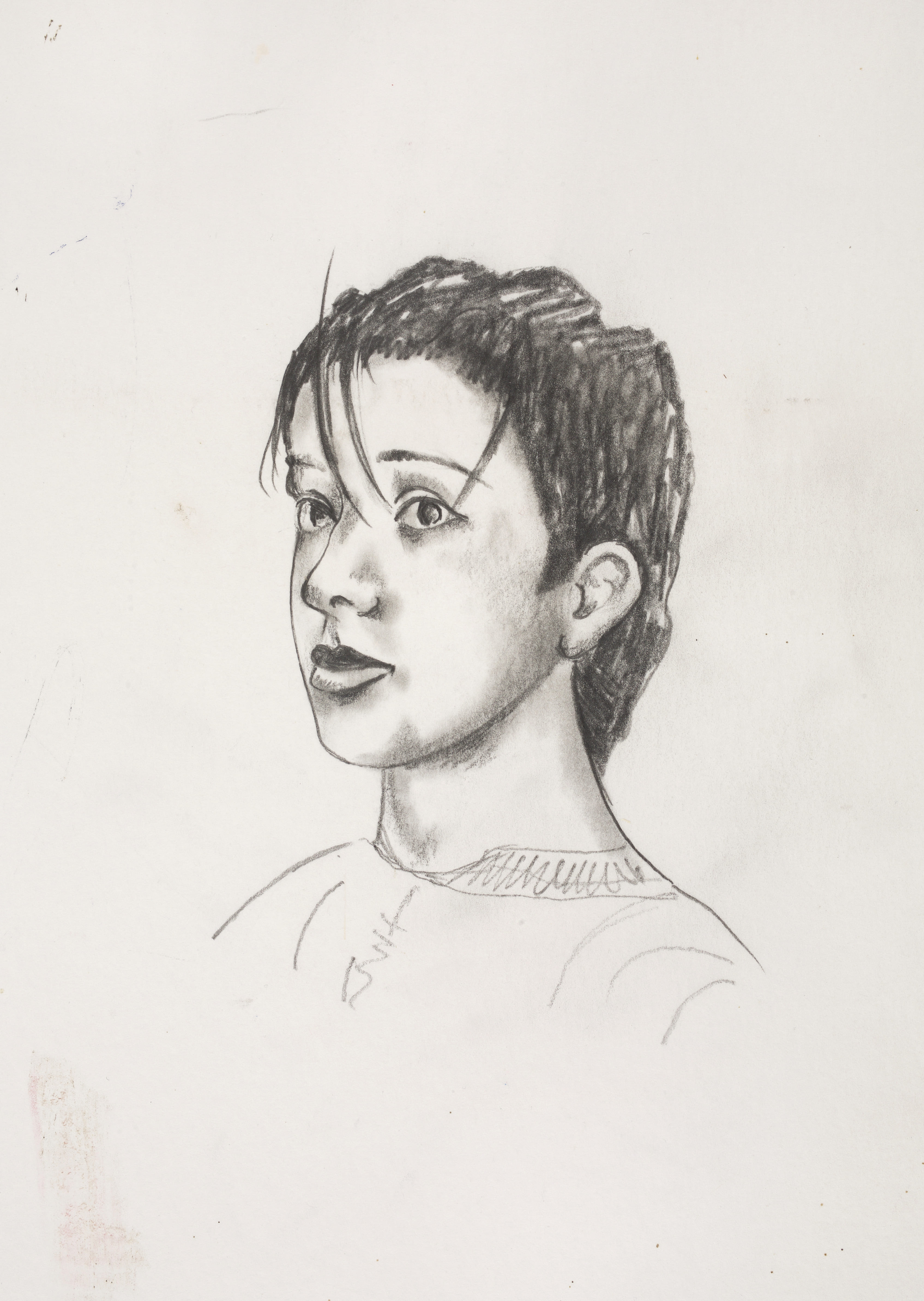
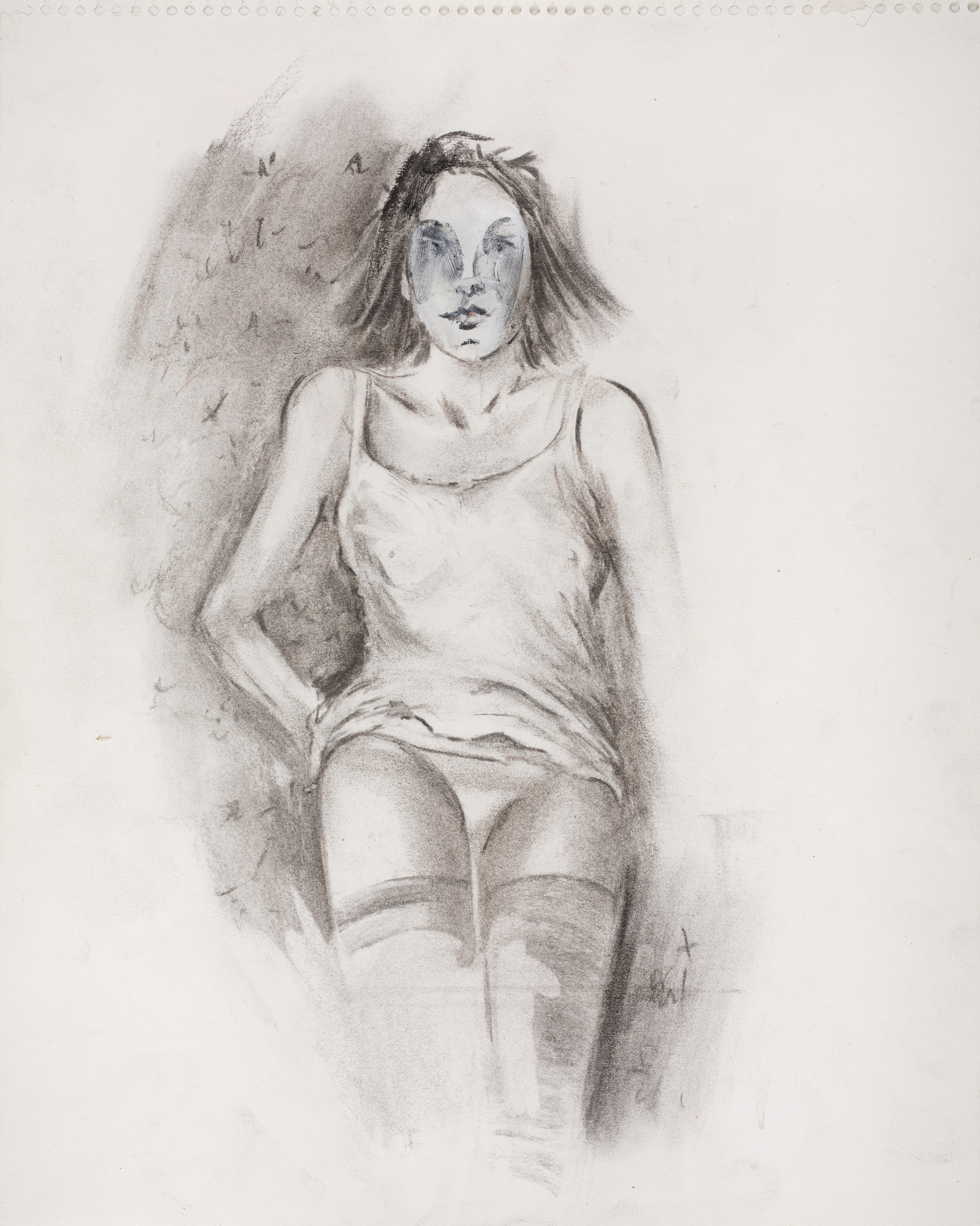
Women occupy a central place in Martial Raysse's work, they are his first source of inspiration. Their names are Sylviane, Julienne, Carina or Flora. They are presented in intimate portraits, isolated in lightweight outfits or ultra-contemporary swimsuits. We find them in his major compositions such as “Sunrise” or “Here beach, like here below”. We observe a dimension of editing and reorganizing the image: the female body can be fragmented or recomposed. The female figure thus becomes a field of experimentation where classical heritage and plastic modernity intersect.
Martial Raysse's work is based on the same ambition: to reappropriate history and mythology by integrating them into our contemporary references. Ancient figures, mythological archetypes, and timeless scenes become visual matrices. The figures previously drawn are arranged in his large compositions according to the narration and a very precise balance. Each body participates in the composition.
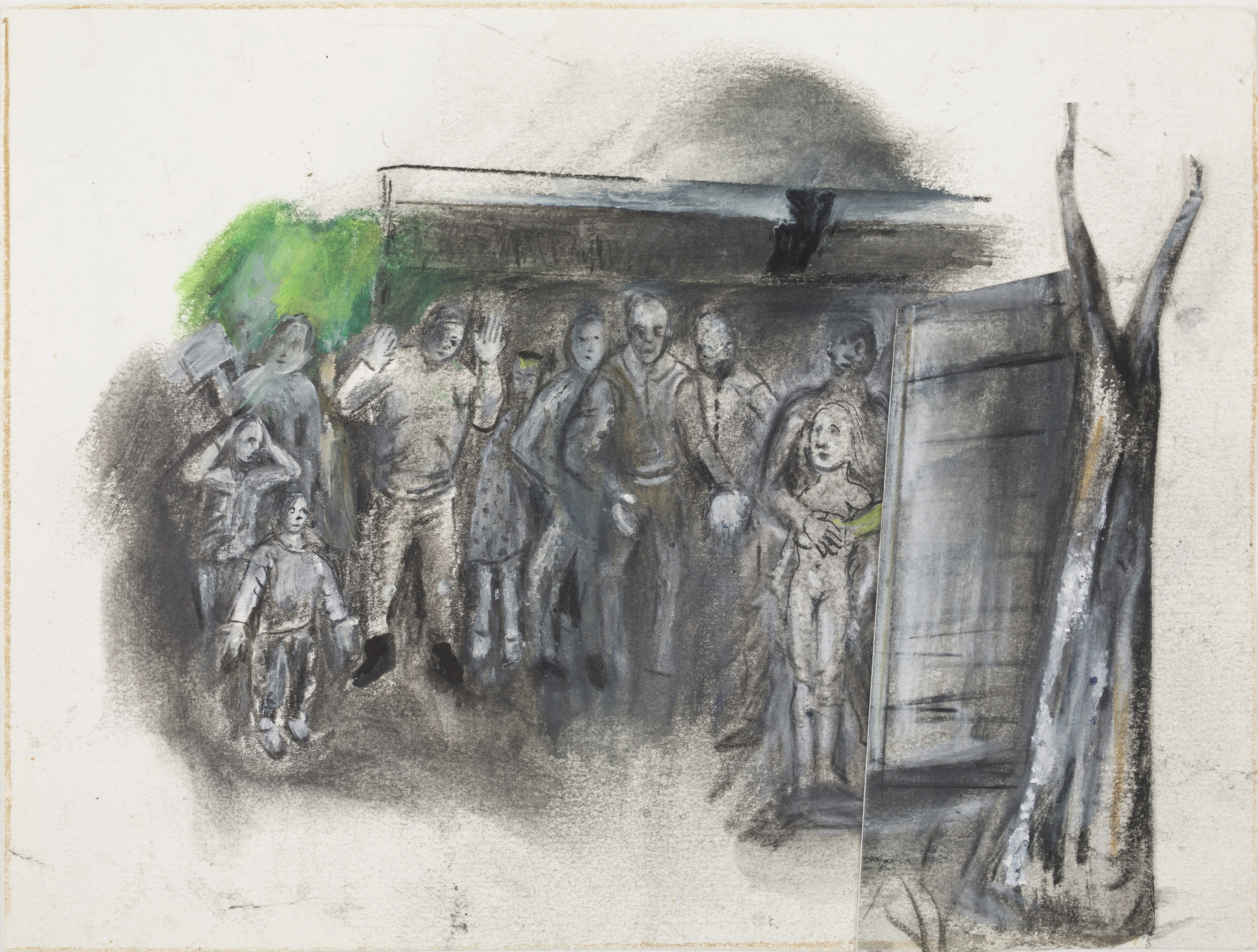
This “pantheon” of characters made in drawing that we present seems to come directly out of its world like images that cross time to question us with irony, humor and poetry. The pastel “Modello for Fear” depicts an oppressed crowd of burlesque characters. The drawing “Lucien en Bacchus”, created for the work “The Birth of Bacchus”, is the portrait of a young man whose plastic beauty reminds us of ancient Rome but whose first name Lucien plunges us into a popular reality.
Thus, in Martial Raysse, fresco, mythology and the poetry of drawing converge on the same search: that of a poetic image that is at once constructed, sensitive, timeless and narrative.
5 rue Jacquescallot-Paris VI
Exhibition from May 28 to June 20, 2026
Opening: Thursday, May 28 from 6 p.m.
Email: galerieab@gmail.com
Tel: 01 45 23 41 16